
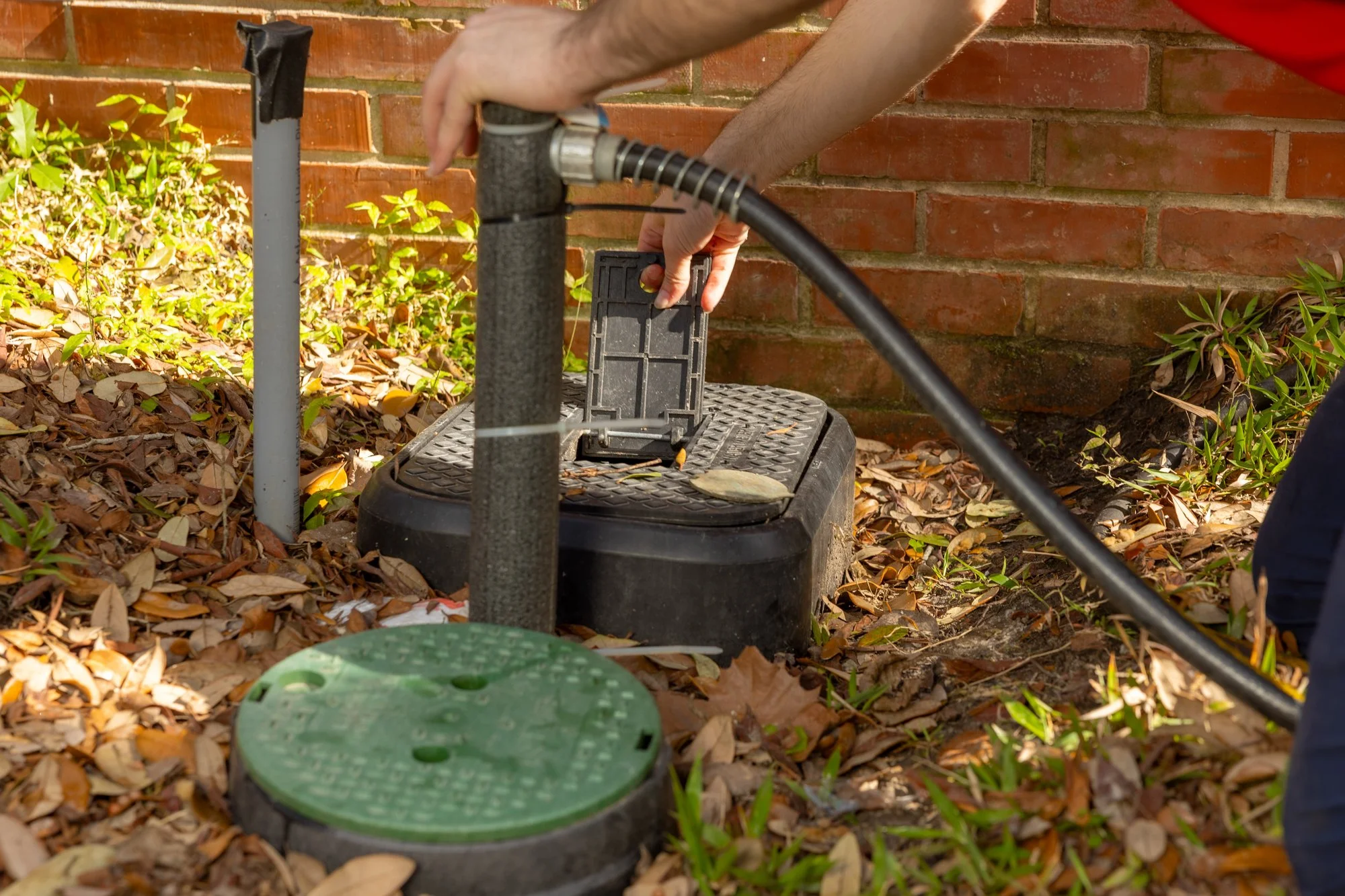
A sewer camera inspection puts a small waterproof camera down the main line and shows you the inside of the pipe on a screen.
It takes under an hour, requires no digging, and it is the only way to know the condition of the one part of a house's plumbing that is buried, expensive to replace, and completely invisible during a standard home inspection.
If you are buying an older Acadiana home or about to spend money renovating one, it is the cheapest insurance in the transaction. Our sewer line repair team runs these across New Iberia and Lafayette, and the results change a purchase decision more often than people expect.
Why a standard home inspection does not cover this
A home inspector runs the water, checks for leaks under sinks, looks at visible plumbing, and flushes the toilets. That confirms water goes down. It tells you nothing about what happens twenty feet later.
Most general home inspections in this area do not include a sewer scope. It is a separate service with separate equipment, and buyers routinely skip it because nobody told them it existed. Then they close, and four months later the main line backs up.
The main sewer line is also the one plumbing component that is entirely the homeowner's responsibility from the house to the connection point, and the one where a failure costs five figures.
What the camera finds
Tree roots
The most common finding in older neighborhoods, and the reason we run most of these. Roots enter through a joint or a crack and grow toward the water. On camera they look like a white or brown mass filling part of the pipe. We wrote about the warning signs a homeowner can spot without a camera in tree roots in your sewer line.
Cracks and separated joints
Pipe shifts as soil moves. Our soil moves a lot. A separated joint lets groundwater in and waste out, and it is the entry point roots use.
Bellies
A belly is a low spot where the pipe has sagged and no longer slopes properly. Waste and water sit there instead of flowing through, and solids settle out. On camera it shows as standing water. Bellies are common in this region because of the soil, and they cause chronic recurring clogs that no amount of clearing fixes, because the problem is the shape of the pipe, not a blockage in it.
Old pipe material
Clay tile, cast iron, and in some homes Orangeburg, which is a tar-impregnated fiber pipe used mid-century that eventually deforms and collapses. Knowing what material you have tells you roughly how much life is left.
Grease and scale buildup
Decades of accumulation narrowing the pipe. Fixable, but you want to know before it becomes a backup.
Collapsed sections
The finding you least want and most need to know about before closing.
Illegal or improper connections
Downspouts or sump pumps tied into the sanitary sewer, or a previous owner's repair that used the wrong fitting or the wrong slope.
When it is worth doing
Before you buy any home more than about thirty years old. This is the big one. A sewer scope during the inspection period costs a small fraction of a sewer replacement, and if it finds something, it is a negotiation item while you still have leverage.
Before a kitchen or bathroom remodel. You are about to spend serious money on finishes sitting on top of a line you have not looked at. Finding a failing pipe after the tile goes down is the wrong order.
When you have had more than one backup. Repeat clogs mean something structural. Clearing the line again without looking is paying for the same problem twice.
Before an addition or a slab pour. Anything that puts permanent construction over a line is a reason to confirm the line is sound first.
After a major storm or flooding. Ground movement and washouts shift pipe.
When you buy an older home in a neighborhood with mature trees. In New Iberia and Lafayette's established areas, this is most of them.
What it does not tell you
Being straight about the limits: a camera shows the inside of the line it can reach. It will not see through standing water in a deep belly, it cannot always pass a severe blockage without the line being cleared first, and it does not evaluate the branch lines from individual fixtures unless we scope those separately. If the line is full, we usually need to clear it before we can see anything, which is why a scope on a backed-up line sometimes becomes a drain cleaning call first.
How the inspection goes
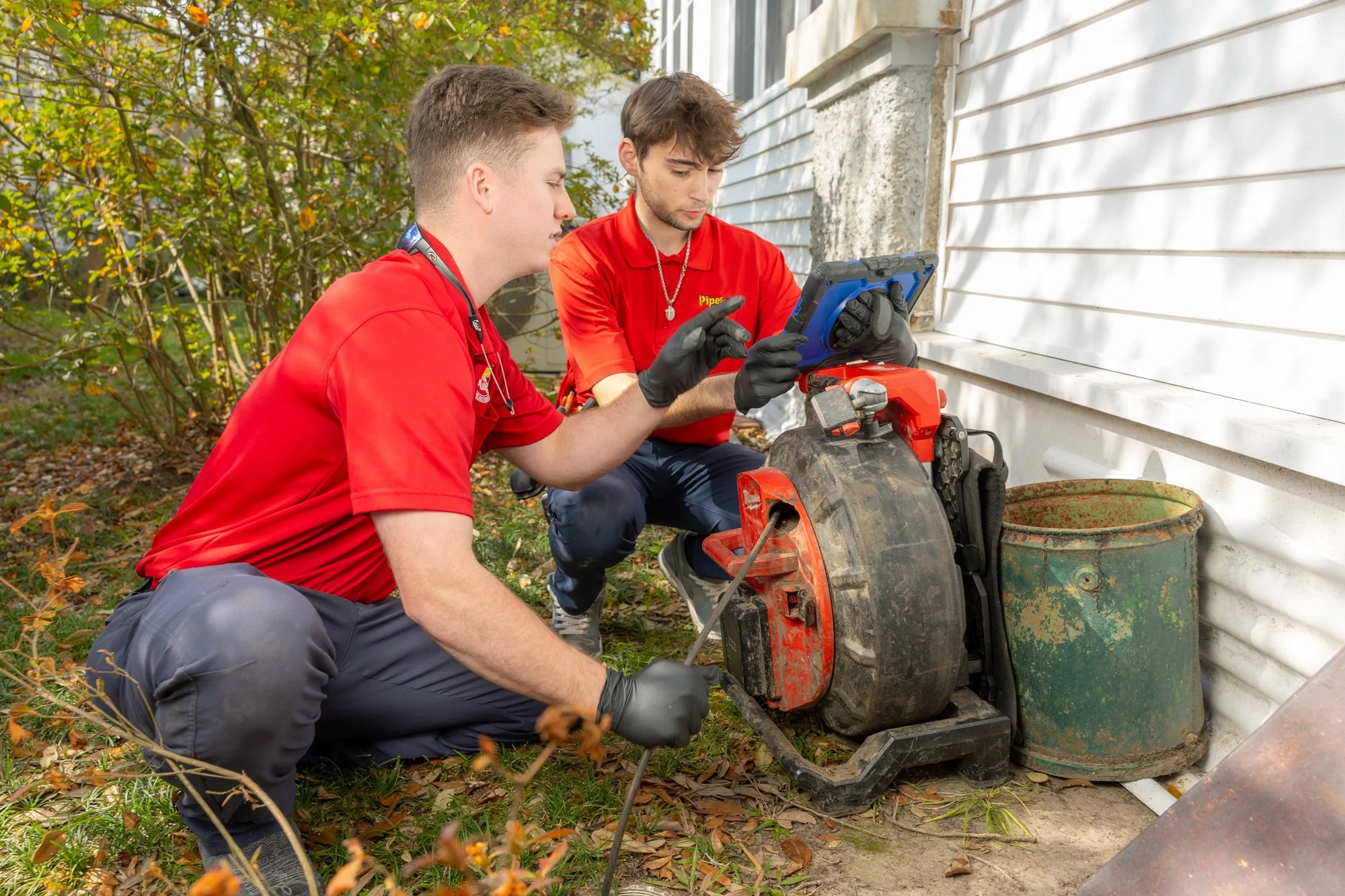
We locate the cleanout, which is usually outside near the foundation, and feed the camera down the main line toward the connection point. You watch the monitor with us. When we find something, we stop, and the locator on the camera head tells us how far down the line it is and roughly where in the yard, so if a repair is needed we know where to dig rather than guessing.
You get the footage and a written summary of what we saw. If we find a problem, we tell you what it is, whether it needs to be handled now or watched, and what the repair options are. Sometimes that is a spot repair. Sometimes it is a trenchless liner. Sometimes it is nothing and you sleep better. Our guide to sewer line replacement cost in Louisiana covers the numbers on the repair side if it comes to that.
If there is no accessible cleanout, which happens on some older homes, we will tell you before we start what the options are rather than surprising you with an added charge.
Frequently asked questions
How long does a sewer camera inspection take?
Usually thirty to sixty minutes for a typical residential line, assuming there is an accessible cleanout and the line is not fully blocked.
Do I get to see the video?
Yes. You watch it live with the technician, and you get the footage and a written summary afterward. If you are buying, that documentation is what you take to the negotiation.
Can you inspect the line if it is currently clogged?
Not usefully. The camera cannot see past a blockage or through deep standing water. We generally clear the line first, then scope it, and clearing it often reveals the cause anyway.
Does the seller have to fix what you find?
That is a negotiation, not a rule. What the inspection gives you is documented evidence during your inspection period, which carries far more weight than a suspicion.
Is this worth it on a newer home?
Less critical, but not pointless. Newer PVC lines have fewer joints and no root problem to speak of. We still find construction debris, improper slope, and bad connections in homes under ten years old.
How often should an older home have its line scoped?
If there are no symptoms, every few years is reasonable for a house with old pipe and big trees. If you are having recurring backups, now.
Look before you buy
If you are under contract on an older Acadiana home, or you are about to renovate one, get the line looked at first. Call Pipes & Plugs at (337) 364-2980 or schedule your service online. A licensed plumber will camera the main line, show you exactly what is down there, and give you a written summary and a clear price on anything that needs doing, with a free estimate. Serving New Iberia, Lafayette, and the surrounding Acadiana communities.