

Blog
Plumbing & Electrical Tips For Your Home & Business

Four Bright Ways to Avoid Common Winter Electrical Problems
Winter can put extra strain on your home’s electrical system, leading to outages, tripped breakers, or even hazards. Simple preventative measures can help avoid these common problems and keep your home safe and comfortable. In this guide, we’ll explore four effective ways to prevent winter electrical issues, from proper maintenance to smart usage habits, ensuring your home stays powered throughout the colder months.
Why You Should Get an Electrical Inspection Before Buying a Home
Buying a home is a major investment, and ensuring the electrical system is safe and up to date is an important step in the process. An electrical inspection can uncover hidden issues such as outdated wiring, overloaded circuits, or potential safety hazards before you finalize the purchase. In this guide, we’ll explain why getting a professional electrical inspection before buying a home can protect your investment and give you peace of mind.
Electrical Services for Additions & Remodels
Home additions and remodels often require updates to your electrical system to ensure everything runs safely and efficiently. From installing new wiring and outlets to upgrading panels and lighting, professional electrical services play a key role in bringing your project to life. In this guide, we’ll explore how electricians support remodeling projects and help ensure your upgraded space has reliable and code-compliant power.
The Bad Things That Happen When You Attempt DIY Electrical Work
While DIY projects can be rewarding, electrical work is one area where mistakes can lead to serious problems. Improper wiring, overloaded circuits, and code violations can result in electrical shocks, fire hazards, and costly repairs. In this guide, we’ll explore the dangers of attempting DIY electrical work and explain why hiring a licensed electrician is the safest choice for your home.
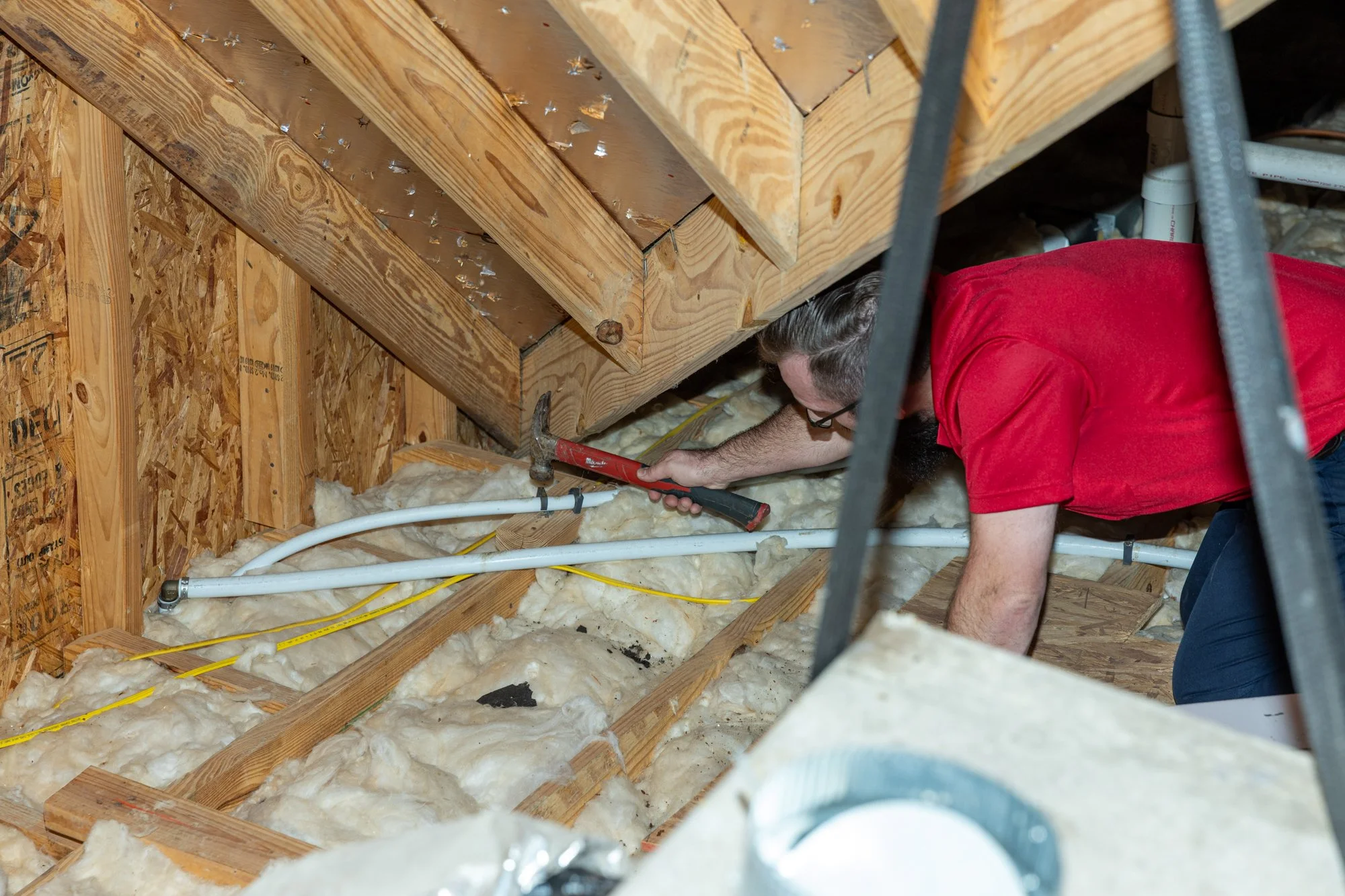
Summer Electrical Safety Tips from Your Electricians
Summer often brings increased electrical use from air conditioners, fans, outdoor lighting, and other appliances. Without proper precautions, this extra demand can lead to overloaded circuits or potential hazards. In this guide, our electricians share practical summer electrical safety tips to help keep your home safe, efficient, and powered throughout the season.
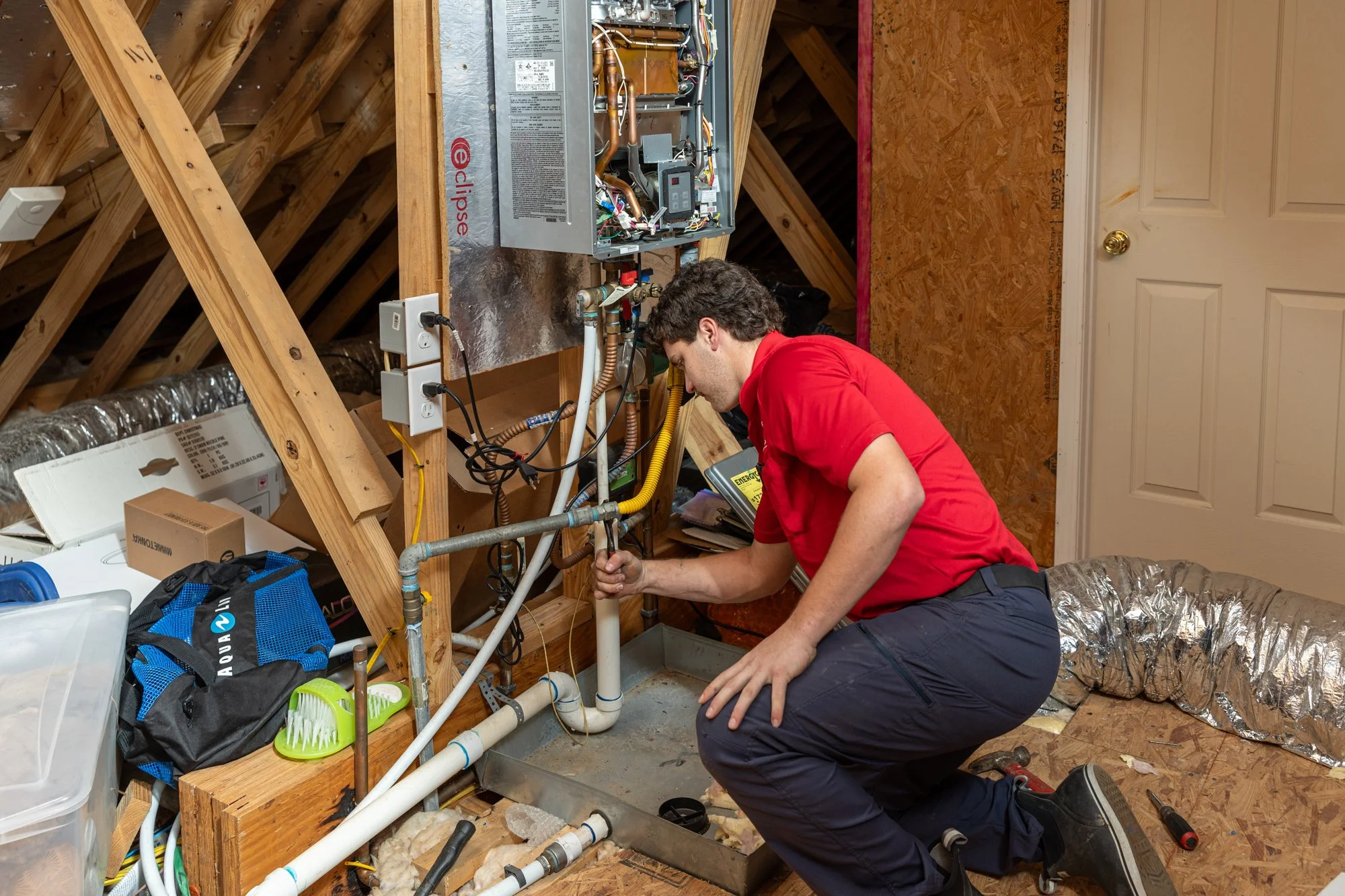
How to Use Extension Cords Properly to Prevent Electrical Hazards
Extension cords are convenient for powering devices when outlets are out of reach, but improper use can create serious safety hazards. Overloading cords, using damaged cables, or placing them in high-traffic areas can increase the risk of electrical shocks and fires. In this guide, we’ll explain how to use extension cords properly and share simple safety tips to help protect your home and family.
Is a Hardwired Smoke Detector Right for Your Abbeville, Lafayette, or New Iberia Home?
Smoke detectors are one of the most important safety features in any home. Hardwired smoke detectors are connected directly to your home’s electrical system and typically include a backup battery, helping ensure they continue working even during power outages.
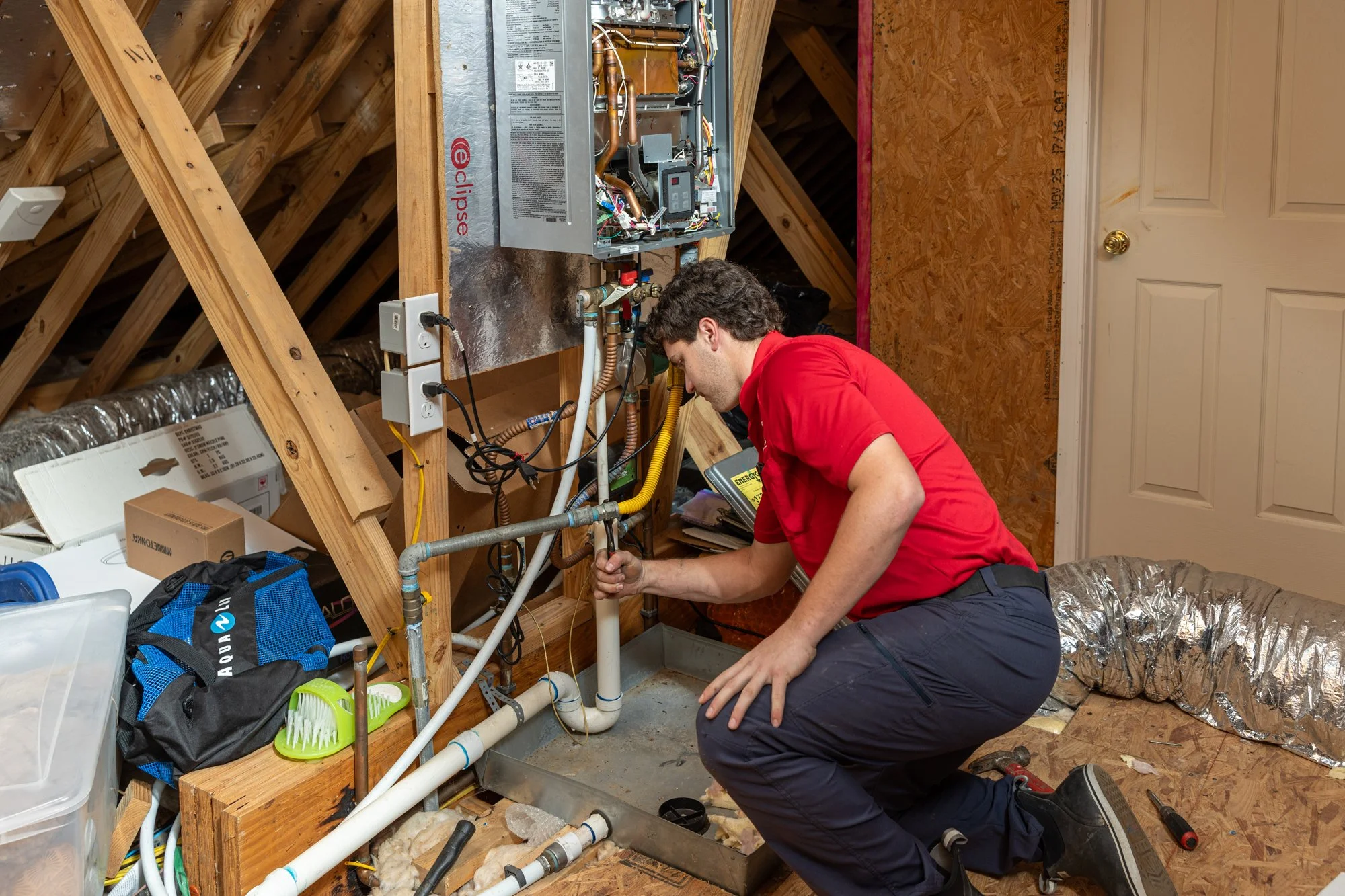
What Is a GFCI (Ground Fault Circuit Interrupter)?
A GFCI, or Ground Fault Circuit Interrupter, is a safety device designed to protect people from electrical shocks by quickly shutting off power when it detects a ground fault. These devices are commonly installed in areas where water and electricity are in close proximity, such as kitchens, bathrooms, and outdoor outlets. In this guide, we’ll explain how GFCIs work, where they should be installed, and why they are an essential component of a safe electrical system.
Knob & Tube Electrical Wiring 101: What Is It & Is It Safe?
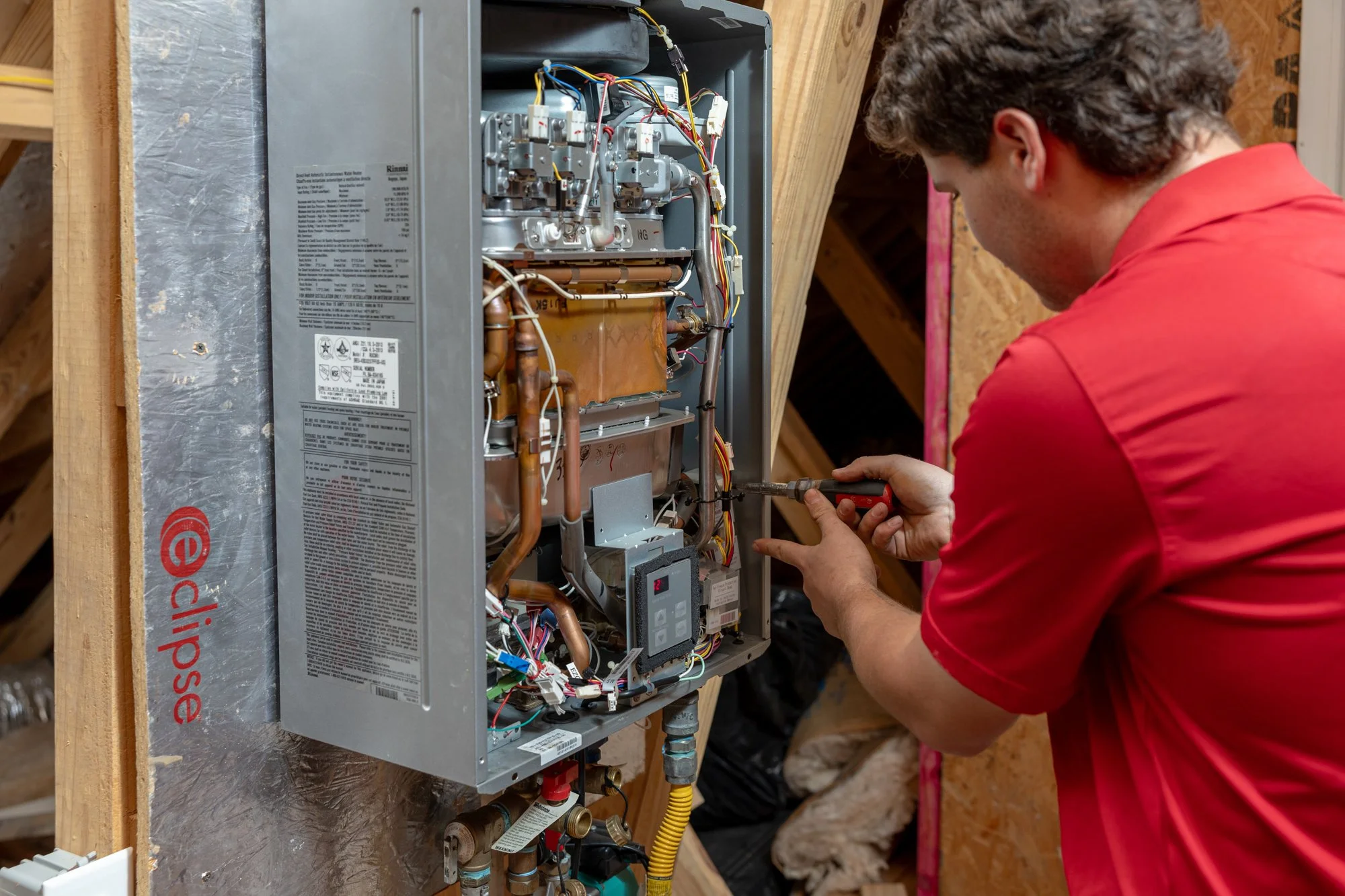
Knob and tube wiring is an older type of electrical system commonly found in homes built before the 1950s. While it was innovative for its time, it lacks modern safety features and can pose risks if not maintained properly. In this guide, we’ll explain what knob and tube wiring is, how to identify it in your home, and whether it’s safe, or if upgrades are recommended to meet current electrical standards.
Holiday Lighting Electrical Safety Tips
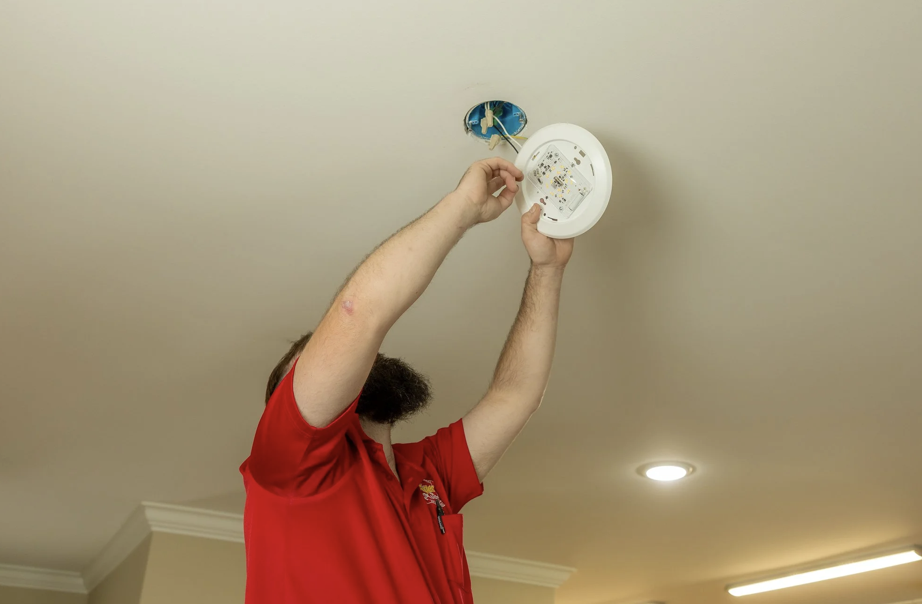
Follow essential holiday lighting safety tips to prevent electrical fires and keep your home safe while decorating. Learn how to use lights, outlets, and decorations properly for a festive and worry-free holiday season.
Fall Electrical Safety Tips for Abbeville, New Iberia & Beyond
Follow essential electrical safety tips to prepare your home for fall and prevent electrical hazards. Learn how proper outlet protection, smoke detector testing, and safe heater use can keep your home safe all season.
Know Electrical Danger Signs & Prevent Electrical Emergencies
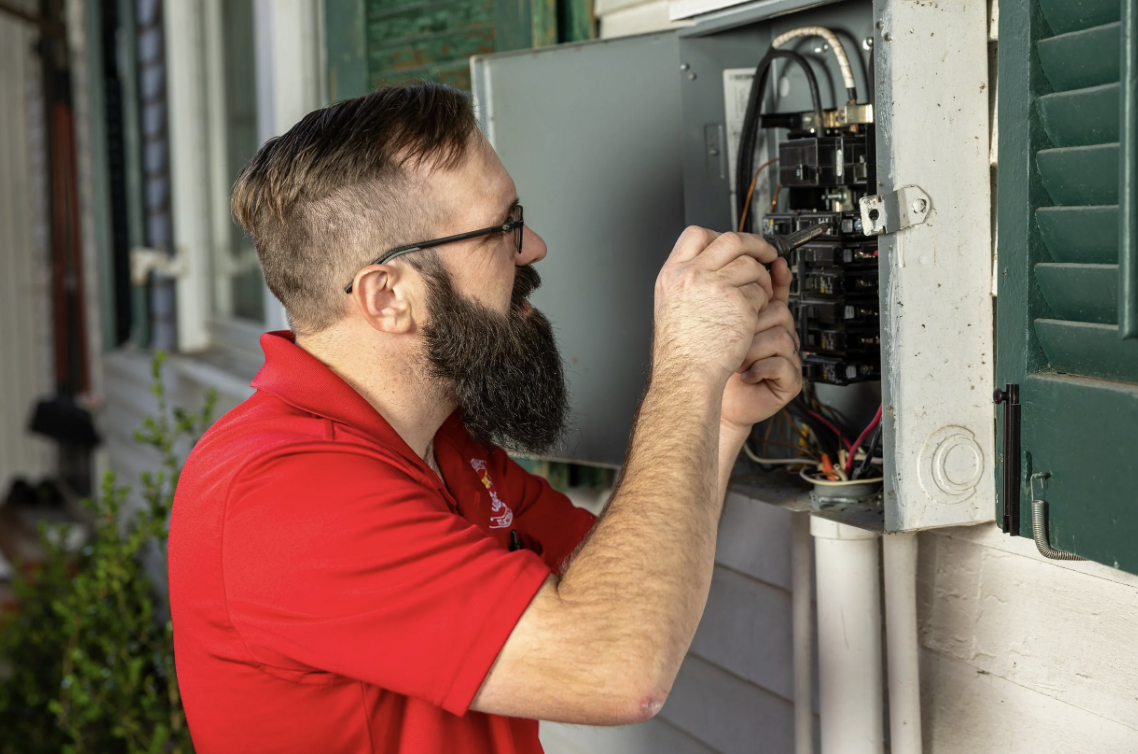
Learn the most common electrical danger signs that could put your home or business at risk of fire or shock. Discover when to act quickly and call a licensed electrician to prevent serious hazards.
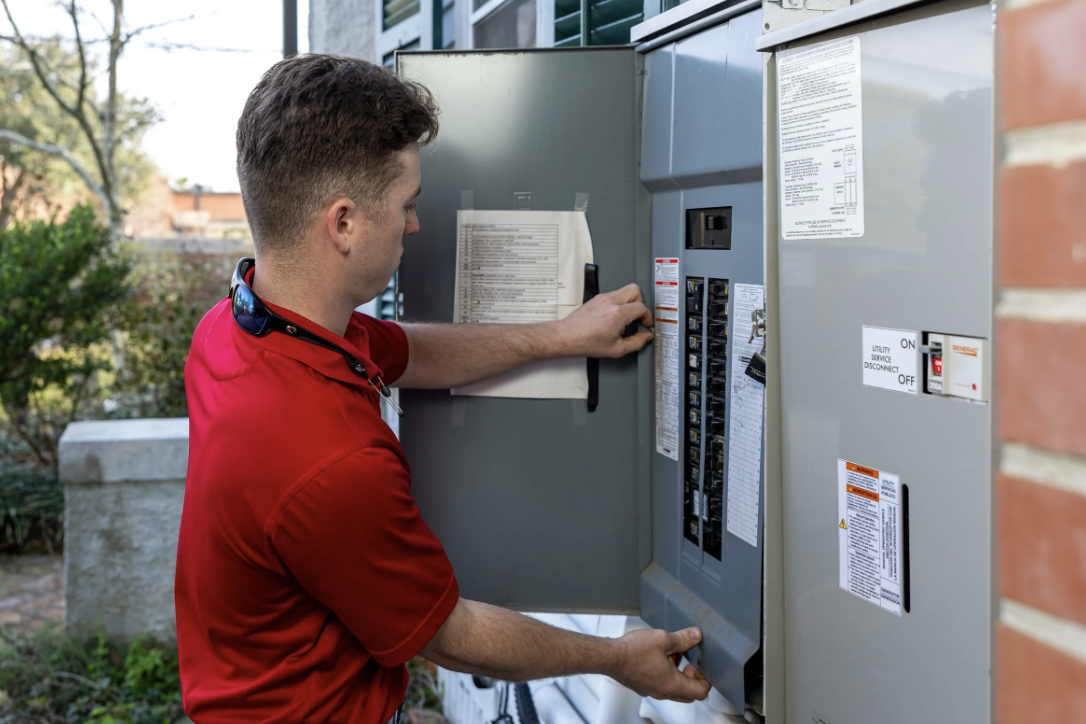
Dealing With Minor Electrical Problems Safely
Learn how to safely handle common electrical emergencies like sparking appliances, broken light bulbs, and jammed garbage disposals. Discover simple steps homeowners can take to prevent injuries, electrical fires, and costly damage.
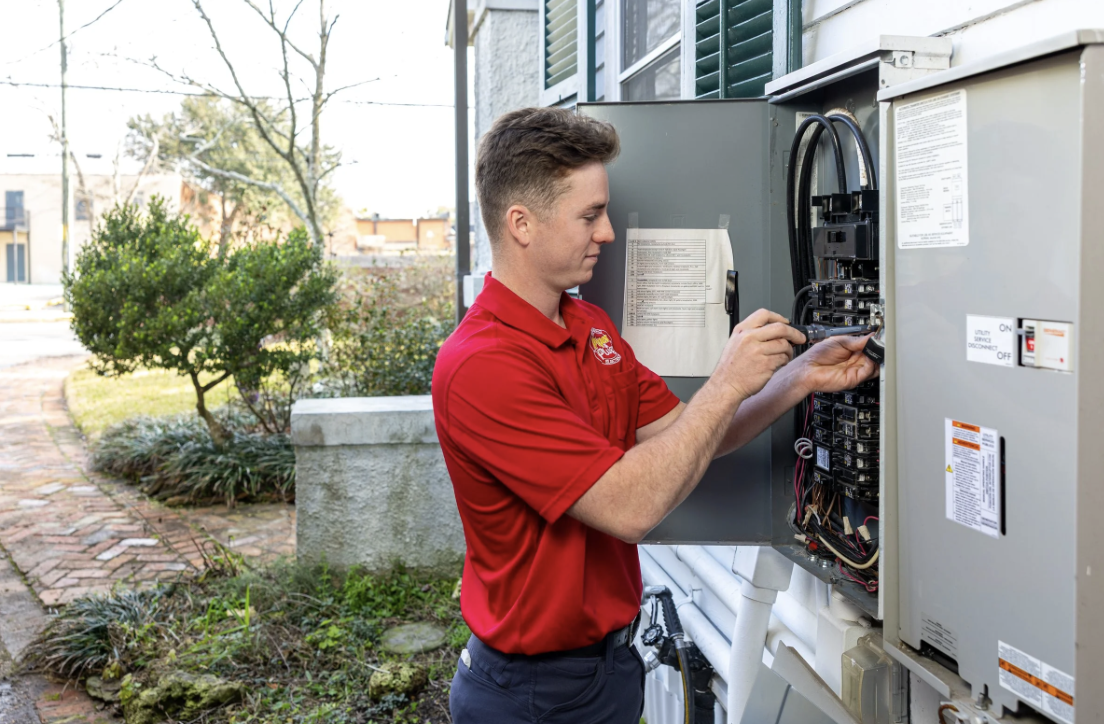
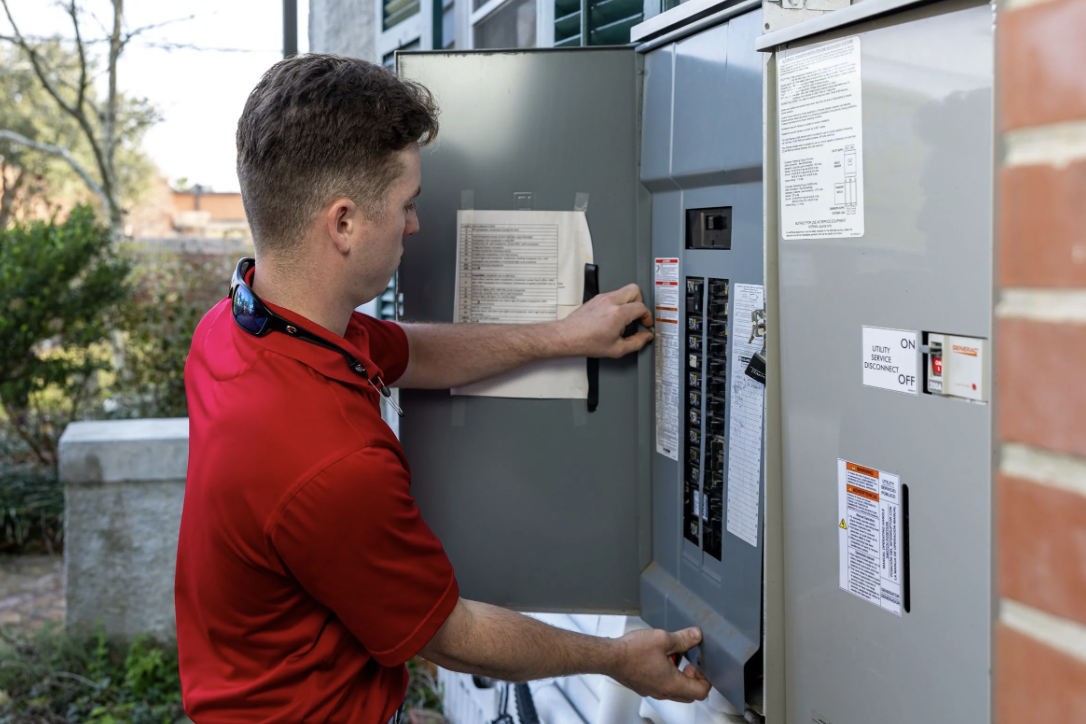
Getting to Know Your Electrical Panel
Learn how your electrical panel works and why every homeowner should know how to access it during power outages or emergencies. Discover key safety tips and when to call a licensed electrician for help.
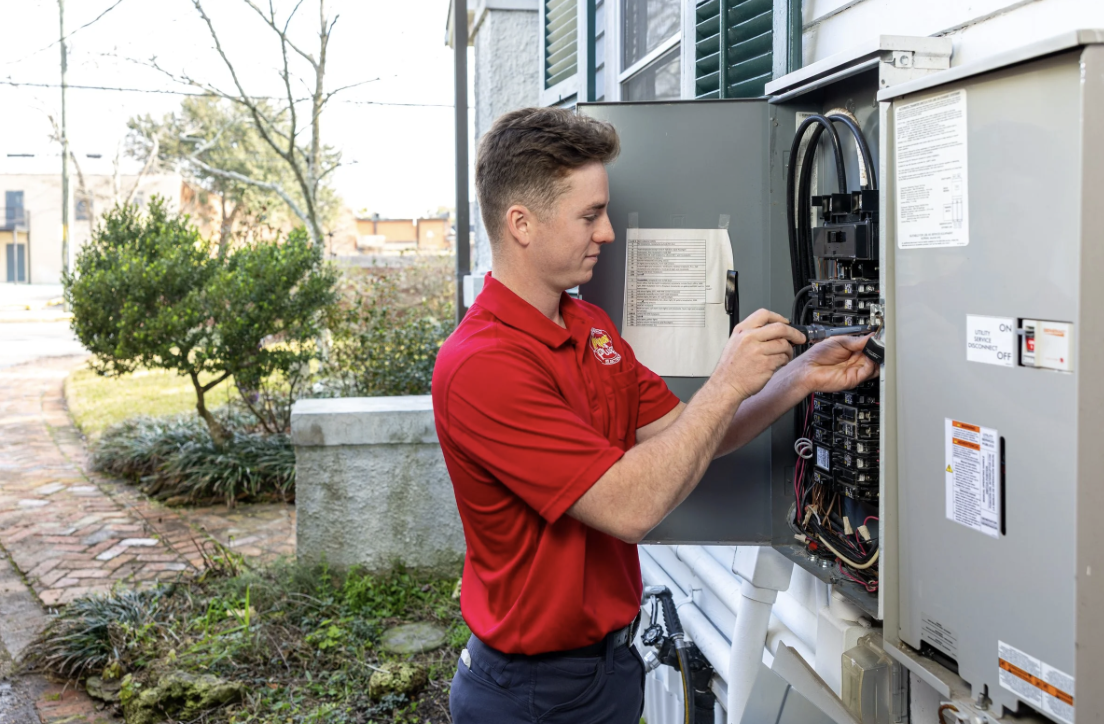
Electrical Safety Checklist
Use this electrical safety checklist to protect your home from electrical fires, shocks, and common hazards. Learn simple safety practices that help keep your family, appliances, and electrical system safe year-round.
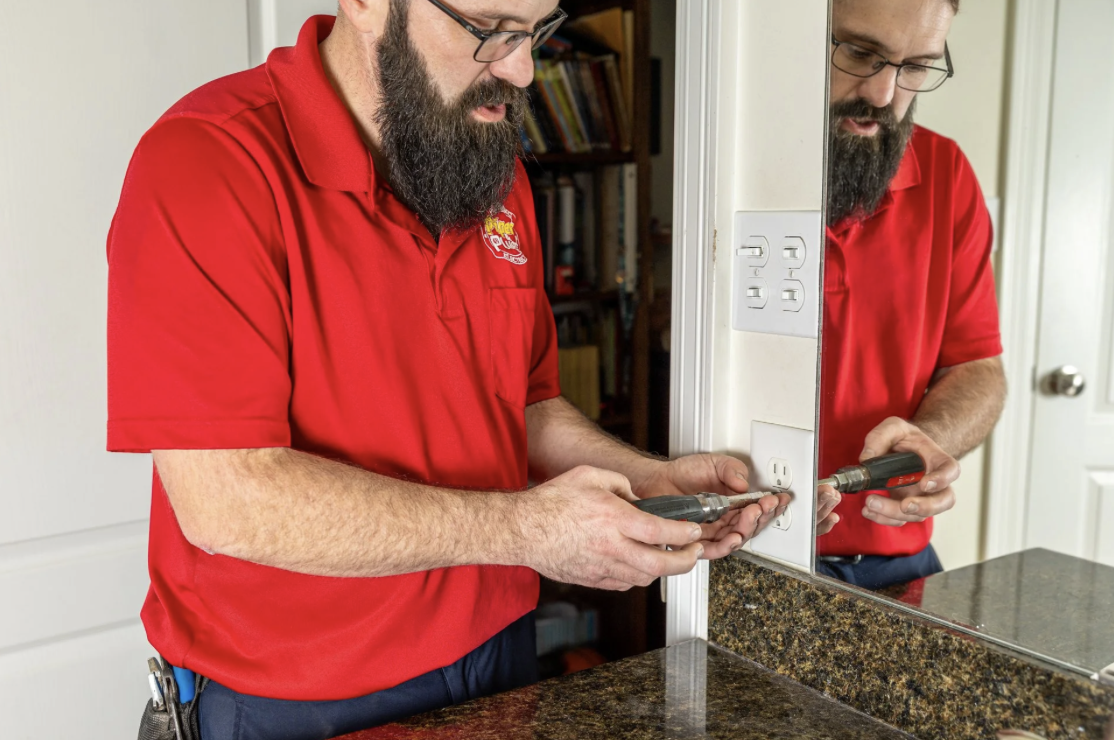
Electrical Repairs & Electrical Installations are NOT DIY Projects
Learn why hiring a licensed electrician is essential for safe electrical repairs and installations. Discover the risks of DIY electrical work and how professional electrical service protects your home, safety, and insurance coverage.
Electrical Safety during Halloween
Follow essential Halloween electrical safety tips to keep your decorations fun and hazard-free. Learn how to prevent trips, shocks, and fire risks when using outdoor lights and electrical decorations.